
A review by Tyson Duffy for Times Literary Supplement, May 15, 2026
“Novels inhabit a liminal space between the real and the imaginary.” So writes Sinan Antoon in the preface to his wonderful novel The Corpse Washer (2013). A poet who relies heavily on motifs of dream, memory and escape, Antoon is interested in exploring the psychic overlap that exists between the low brutalities of war and what one might call the numinous. In The Corpse Washer,
Jawad seeks release from the family undertaking trade in order to become a sculptor. But as the dead bodies accumulate under Saddam Hussein’s rule, and the violence intensifies after the US invasion in 2003, it becomes his last hope to rejoin the family’s mortuary practice in a ruined Baghdad.
The Iraqi author’s sixth novel, Notes from a Lost Country, wrestles with similar themes. Sami is a retired Baghdadi doctor living in Brooklyn, a refugee from Saddam’s tyranny. In the intense opening scene, worsening dementia sends him wandering, panicked and disorientated, from his apartment into the city. After he is brought home by police, he begins to receive full-time care. For
the majority of the novel, he struggles to adapt to his rapidly deteriorating inner life. Sami’s thoughts and impressions grow increasingly muddled: reveries, half- remembered poems and memories of Iraq bleed together in a poignant dreamscape. “Through the fog he sees himself on a boat sailing through the Tigris on a balmy sunny Sunday.” He awakens to find a gazelle asleep in his room; it vanishes. He yearns for Baghdad. Later in the story, Sami’s sins from his Iraq days are revealed and we begin to wonder whether his acute memory loss might be a coping mechanism.
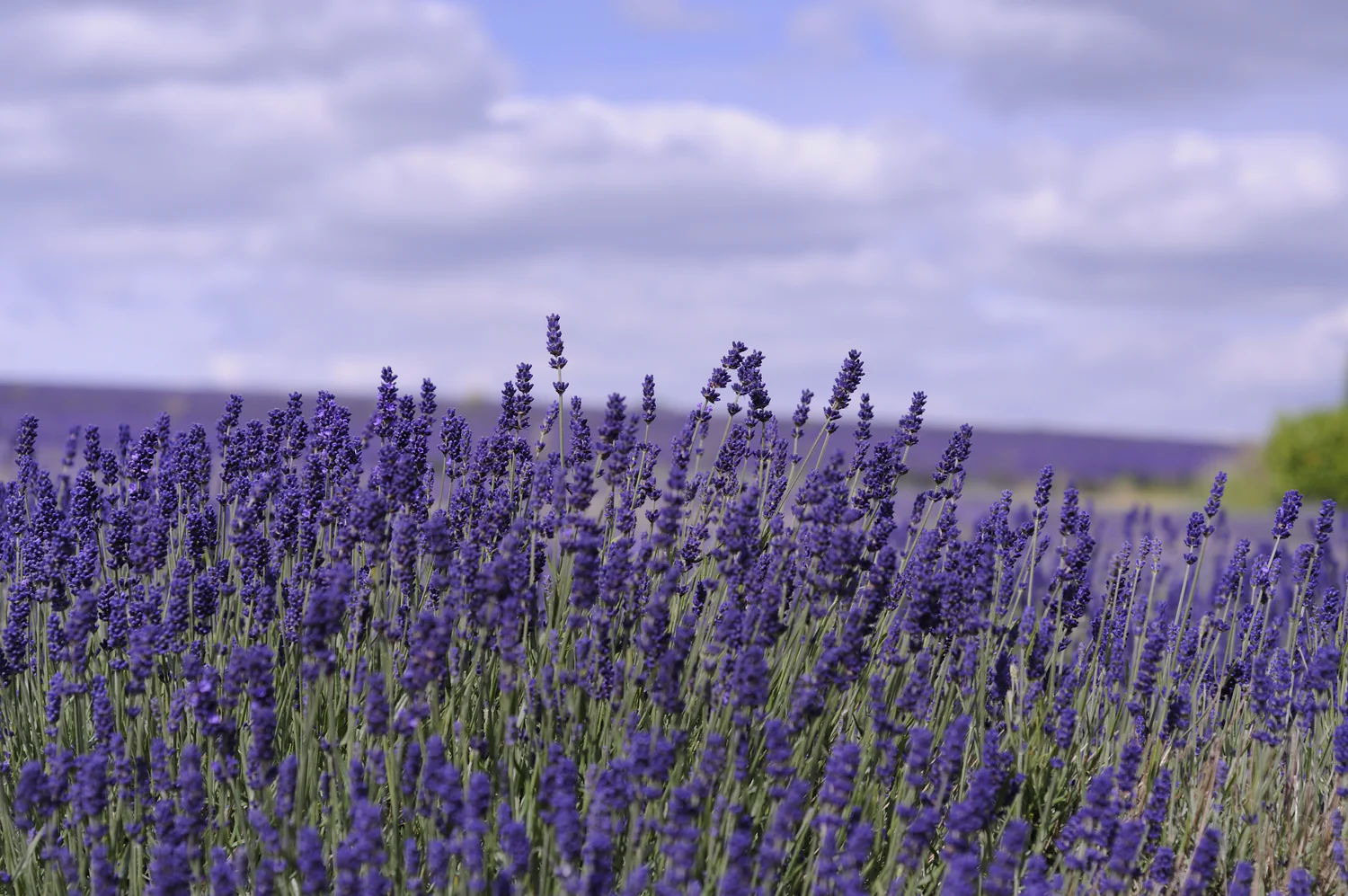
Meanwhile, young Omar arrives in Newark, a deserter from the Iraqi military now fled to the land of the free. His rootless plight introduces its own set of limiting realities and perplexing questions. Should he change his name? Should he claim to be from Michigan? Would it be easier to say he is Puerto Rican? He has nightmares; his spirits are low. “It’s the age of glossy covers. The age of peels and shells. The age of trash.” “Words and expressions are merely bandages of various sizes and shapes”, he reflects. “They are placed on silence, right before or after, to hide the wound and shield the ugliness.” After working a string of menial jobs – as a stock boy, a dishwasher, a farmhand – Omar finds himself paid to tend to a field of lavender in New Jersey.
The original title of the novel in Arabic (from 2023) is Khuzama, “Lavender” – a shrub that holds a richly symbolic place in the Arab world. (In this anglophone translation, made by the author, the prose loses some of its allusive, literary qualities, beginning with the title.) Lavender is used in perfumes, food and medicines, and it appears in countless Arabic poems. It is also the one scent that reminds a now intellectually unreachable Sami of his deceased wife and their former happiness in Iraq. He is unable to articulate this to his caretakers, so, in the world of the novel, lavender takes on added dimensions of loss, futility and death.
When Sami and Omar meet, and the crime that binds them is revealed, dream hardens into perverse reality. To the senile Sami, Omar is a bright young lavender-seller and a reminder of his homeland. To Omar, the inert Sami is something more complex, and possibly monstrous – a turncoat and a criminal, the symbol of a past Omar would prefer to forget. The two men hope to come to terms with how violence has deformed their experiences. But they must ultimately make do with the half-lives that America now offers them: lives with more hope, but less beauty; part dream, part reality, never wholly either.

